Norfolk is a very understated region. She has unsung heroes and many of these are women. Here, hand on heart and shooting from the male hip, is my homage to some of them. Each character has a scene and then the cast does the chorus as in a Greek play.
read my EDP cover feature on Boudicca here
Note: Ickeni (Iceni) is a Norfolk dialect word meaning 'awkward, troublesome, unmanageable' - as in difficult horse.
Looking for a classroom activity on Boudicca? Try this, Warrior Queens
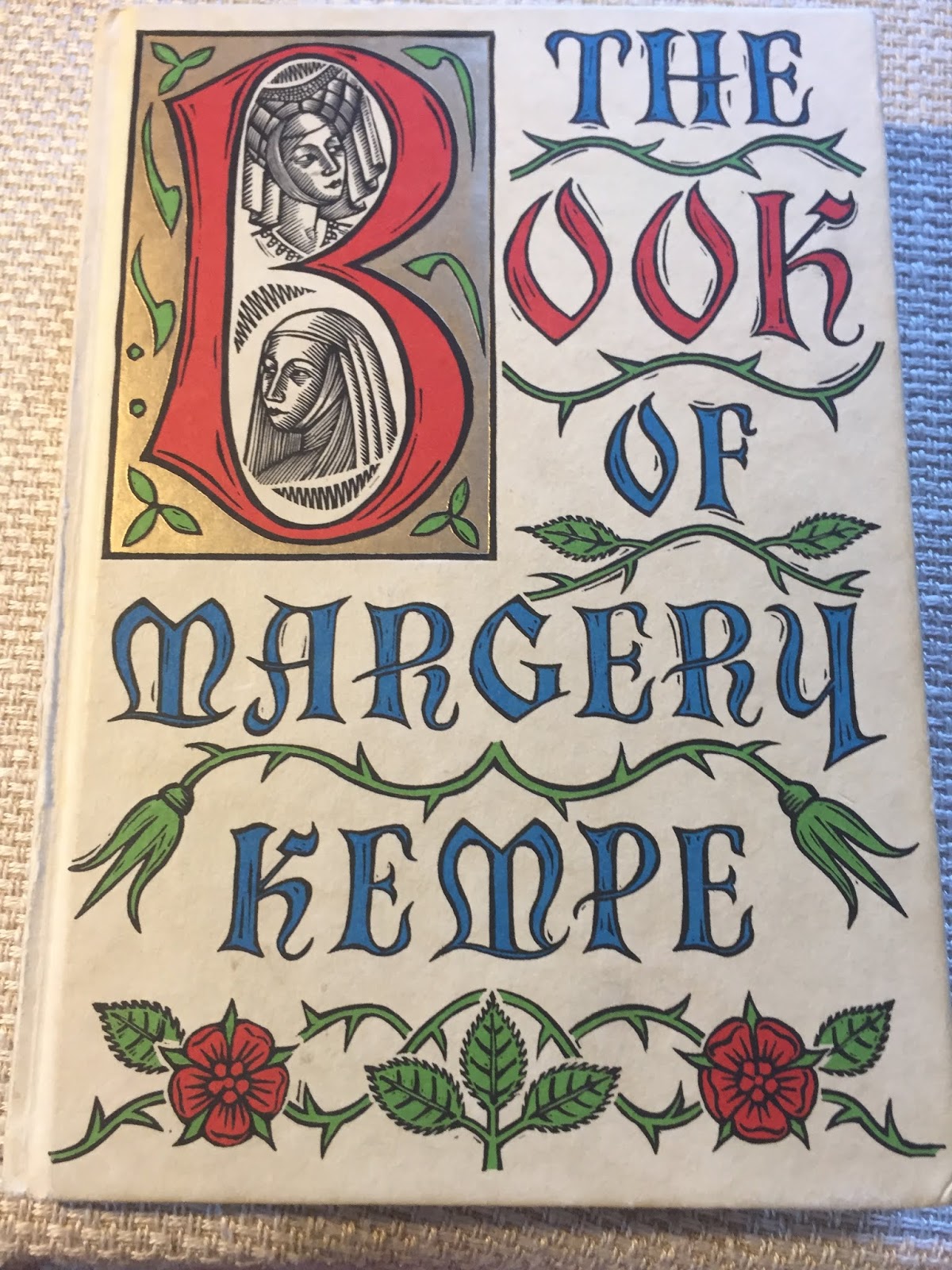
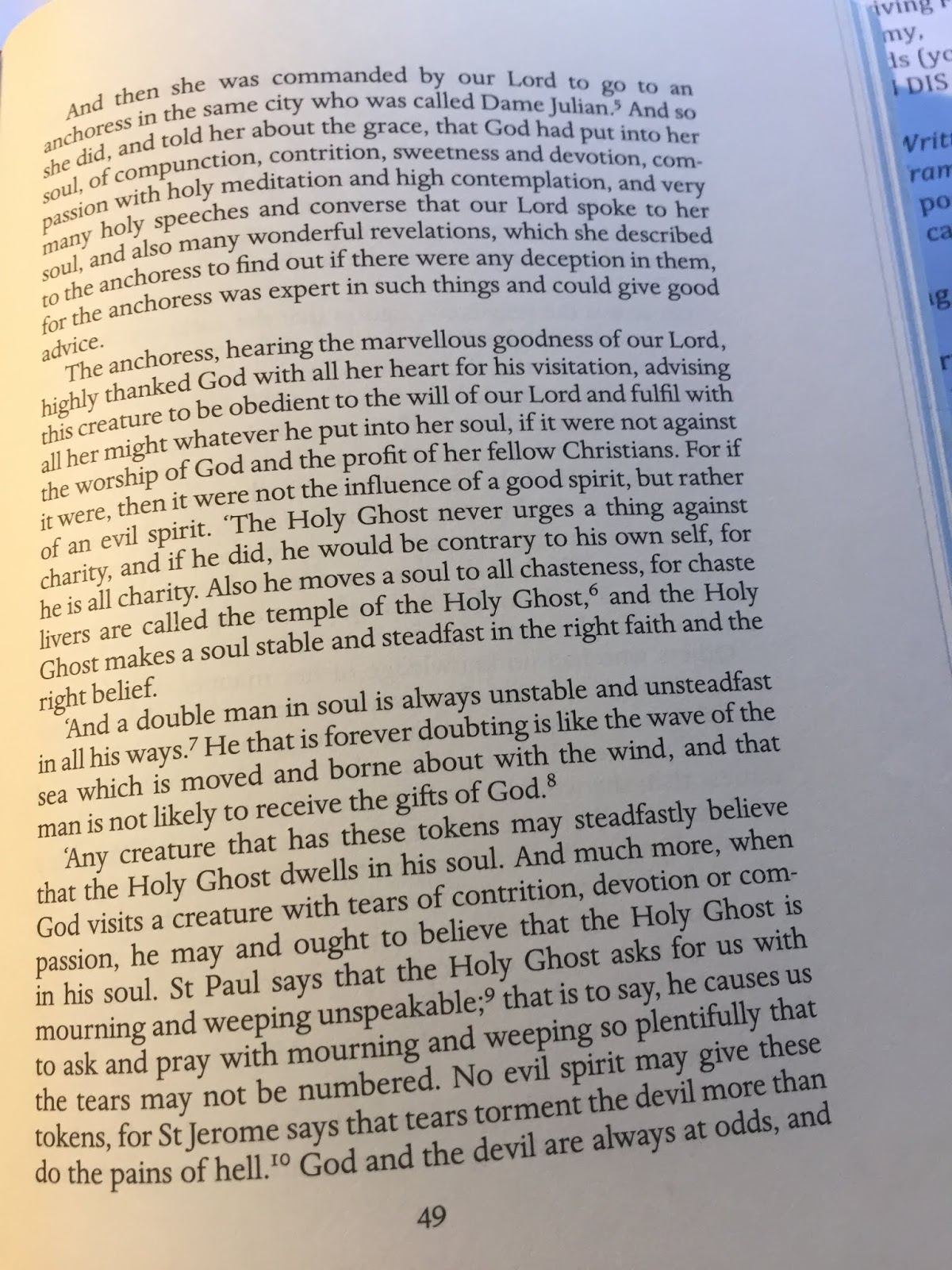
A breezy general introduction to Mother Julian of Norwich and her sister mystic Margery Kempe of Lynn, written for the EDP Weekend pullout, may be read here.
A full length musical playscript and newspaper features on Margery and her times - including her sister mystic Mother Julian of Norwich and her parish priest the Lollard martyr William Sawtrey - may be read here. Read some general context about the Hanseatic age in Lynn here.
Hear Anne (Boleyn) in dialogue with Tom (Sir Thomas Wyatt)'s verse here and read the full Tom and Harry script here
An EDP Weekend feature on Charles and especially Fanny Burney may be read here.
Author's Note: Some say you can only tell your own story - I've been telling my wife mine for 35 years and I'm sure she still finds it as fascinating as I do. But these stories are much more interesting (and besides what are we but our imaginings, dreams, heroes, sense of history, fascinations etc etc?)
Norfolk gals
A five woman show (with musical accompaniment)
The Antagonist Sallies - ie male fall guys - should be played as trouser roles by the gals themselves. (Women will have much more fun playing these than men.) We know who wears the tights in this house.
(enter the cast in a tragic chorus of Iceni ghosts)
We're the restless ghosts in
the winds and rains,
Funneling the valleys, sweeping
the plains,
Inlets and warrens that run
underground,
Unbridled pathways, unquiet
streams,
Haunted hidden corners of
rootless sound,
Hives of Iceni, dead and
unqueened,
By bronzebreasted redcrests
violently weaned
We're the baby who wails for her dead mother's breast.
We are dead keening women,
whispering grass,
The breath in the lilac and
bluebells, the blast
Through the pale yellow oak
leaves, hawthorns
And nettles. And that shout,
queen of warriors,
From your victory chariot with
your triumphant
Horsemen around you! And that
salt chill of a winter's
Reprisals that blighted twice
twenty summers.
We're the mother who wails for her new baby's death.
We are the cries in the corn,
the harrowings hooted
Under moons of hunger, in the
squeals of the hunted,
The creaking of geese through
night-forest fears,
Ha ha ha ha ha ha ha ha!
The unresting dunes and the
moaning wave-break,
We're the memory that's
cankered two thousand years
Of Celtic blood with an
unhealing ache,
We're the oracles lost in the
noise diggers make.
We're the dead daughters wailing for the end of the world...
Boudicca emerges from the Chorus:
Boudicca is a punk shocker
Allow me
to introduce to myself.-
Queen
Victoria, of Icenia
The
matriarchal Britons called me buddug,
Boudicca, VICTORY.
The
patriarchal Romans called me mad.
Aunt Sally: (Roman historian)
‘She
was huge of frame, terrifying of aspect, with piercing eyes and a harsh voice,
a great mass of red hair hanging down to below her waist’
Boudicca:
–the very picture of
the Cleopatra dysfunctional woman in power, the Medusa Head of State.
In AD
60, on the death of my husband, King Prasutagas, (lash) I am dispossessed,
flogged, my nobles enslaved, my women sold, my daughters... plucked and
plundered...by Procurator Decianus
Catus.
Provincial
governor Suetonius Paulinus – later recalled to Rome for excessive bloodlust –
quite a feat on the front line of empire - is absent in North Wales,
slaughtering druids and desecrating the Oak Groves of Mona. Doing his bit for
the environment.
when
suddenly, out of the blue, the sky falls in and the forests erupt again through
the nice tiled floors of Colchester.
My
hazel-wattled people are in revolt. The Eastern half of Britain rises with me.
Iceni Chorus:
Kick over the wall cuz governors can fall
How can you refuse it?
Let fury have the hour anger can be power
You know that you can use it
Boudicca:
I
‘redeveloped’ the Rome Counties. I burned down Colchester, a London left
tactically undefended - on the
Provincial Governor’s orders- and the old Catavellauni capital of St Albans.
My army
got larger with every victory.
Procurator
Decianus Catus, flogging off the forests, garden-grabbing the graves, making a
killing in the City (lash) finds himself staring at the end of civitas as he
knew it. Norfolk, the guardsvan of Roman history, ploughing my fleet pony and
wickerwork chariot through the heart of London.
(sings, with punk Chorus)
There’s
no future in your Roman dream
Your
traffic lanes and your shopping schemes
Your
soapless baths and your manly steam
The
Iceni queen bee is making free
With
your city.
Boudicca:
He
flees to Gaul, his smacked Roman backside smarting with the humiliation.
Now, as
a summer dawn paints the ripening Iceni corn a battle-blood red,
I turn
my attention to Provincial Governor Suetonius Paulinus…. (drum)
This
seasoned professional soldier, marching hotfoot from his rout of Welsh tribes
in the West, concentrates his army at a place never really identified but
possibly near Fenny Stratford on Watling Street.
Despite my
eloquent passion for annihilating
every last Roman in Britain,
some of
the tribes I had united beneath me now went home with their war loot, thinking
enough had been done.
Tacitus,
reporting me in the Latin of my conquerors 100 years later, gives me this
speech.
‘We
British are used to women commanders in war.
I speak to
you not as an aristocrat but as a woman of the people.
A woman of
yourselves.
Think how
many of you there are, and why we are fighting.
Then you
will win the battle, or die.
That is
what I, a woman, plan to do – let the men live in slavery if they want.’
Suetonius
chose a position in a narrow defile, protected from behind by forest
Sure that
there would be no cover for ambushes.
Yah!
(drum, sings with punk Chorus)
Boudicca Boudicca
There is
no safe European home.
This is no
vestal valium Rome.
Boudicca
Boudicca (drum)
Aunt Sally (Suetonius):
‘Pay no
attention to the noise and empty threats these savages make.
There are
more women than soldiers in their ranks.
They are
not warlike and they are badly armed.
The battledress is a birthday suit, pudenda covered only by woad. The infamous blood streaks in the lime bleached hair, ha...the juice of rowan berries.
When they
see the weapons and courage of troops,
They will
turn and run.
Keep the
ranks. Throw your javelins. Strike with your shield bosses.
Then drive
on.
After the
second javelin,
Close
ranks for the testudo.
[Chorus TESTUDO! ]
A giant...
sword-jabbing... tortoise... formation,
A 6 deep,
4 square human armoured vehicle
Defensive
and offensive,
Tightly
shielded on all sides.
The
nearest the Romans could get to a tank.
And our
‘tactics’?
Chorus: Heads and
dugs will rock and roll (x3)…and Roman dudes will bleed.
Boudicca:
My
warriors, the customary male hordes swollen with raging women
Swarmed
into the vice of the defile
And up
towards that butcher’s yard of javelin volleys,
Every
volley adding dead or javelin-struck Britons
To the
labours of the lines behind
Maybe
after they’d slithered through the first half dozen
Dead and writhing the passion for vengeance
faded.
Then that
Roman tank rolled forward and tin opened
The whole
helpless throng of us against our wagon line.
The kids
stopped watching Mam and Dad win the final dream victory
And became
the meat in the sandwich of the final bloody screaming defeat.
All I had
room left to do was chariot charge my own people….
Silence
Boudicca: (joined by Chorus on the refrain)
I am history, not myth, but
remember
History is written by the
victor
And I neither wrote nor won
No freedom, no future, no fun.
Rome had to win or risk the
Empire,
Britain had to win or simply
expire,
And with it the Western
horizon,
No freedom, no future, no fun.
Procurator Decianus Catus
Spoke down his nose, spoke down
his anus,
(Aunt Sally) "The Emperor claims the dead king's
kingdom"
(Chorus) No freedom, no future, no fun.
(Aunt Sally) "Our Roman matrons have a
place too
In a civilised home: I could
offer you
A place in mine: dresses,
baths, decorum."
(Chorus)No freedom, no future, no fun.
Boudicca:
I danced to the wardrums,
warhooves, hornwhine,
Exhorting, as Romans were
drilled into line,
My race to fling back the
squares of London
(No freedom, no future, no fun.
Now my rebels hole up, where
home is none,
On roots thin as hope and a
dream of Britain
Hunted through nettles and
thorns, their soles stung:
No freedom, no future, no fun.
My hard core Iceni's last stand
and fall
Is the longest, fiercest,
stubbornest of all
But is crushed - like flint -
in The Battle of Thornham.
No freedom, no future, no fun.
Death-and-glory queens, country
dragons:
(Become) Whores of fashion in
Camolodunum,
In Roman roses our own scent
gone.
No freedom, no future, no fun.
‘My salts that I sowed in the
Squareheads' wounds
Return in a wash that will sour
our lands.
I loosen my tongue on its
poison:
I loosen my tongue on its freedom’
Because
they could not find me, bury me, kill me
chain me
to their story,
Drag
my defeat through the streets of Rome.
That is
why I can be your moon-white goddess
walking between Celtic daughters in Cardiff,
Why I can ride that moving, oak-gracious
There-and-not-there
at the heart of Government,
Iron coach
to nowhere the Victorians invented for me in Whitehall, getting every single
detail wrong and the spirit absolutely right
The mother
of Britain giving the mother of battles
to the
frontier cowboys of Nero.
Why I must
have a statue here
in the
heart of Icenia:
The
maddened mother making a chariot stand
on the
stolen innocence of her children,
The
matriarch martyr dying for her people,
The great
British rebel with a cause,
A Norfolk
hero-tale, a wild, turning North Sea tide,
A woman
who
would
not
lie
down.
Chorus: ( the North Sea)
(strophe) I
am the sea
and
its deep sullen anger
is
my anger
and
its grey endless spaces
are
my spaces
and
its icy depths
are
mine
I
am the coast
and
its sticky glitter
its
sludge and seawrack
its
holiday oasis of bright blue and yello
its
seagulls and shallows
are
mine
(antistrophe) O
but I am the sea
and
its monstrous swell
its
elephant surges
its
charge and retreat
are
mine
I
am the sea
and
its blind destruction
its
timless sculptures
are
in my gift
and
its welling compassion
is
mine
I
am the sea
and
its rocks and rivers
its
wrecks and reelings
its
sharks and cockles
are
mine
(epode) I
am the whale
that’s
devouring the world
I
am the gull
with
wings of icecap
I
am the nimbus
dissolving
in thunder
I
am cold as death
and
quick as the morning
blind
as surf
sharp-eyed as
salt
I
am Neptune and Necros
driftwood
and bedrock
I
am every drop
on
its boundless adventure
across
Illusion
I
am the sea
and
my jeweled infinities
are
in each ripple
and
my boundless whims
are
in each droplet
and
my fathomless urges
are
in your blood.
The late 14C anchoress Julian of Norwich and Margery Kempe (another Aunt Sally) emerge from the Chorus
Nut Job
in a Nutshell. Ye Page 3 interviews Mother Julian of Norwich.
AS:
Well,
Julie-
Julian:
Julian.
AS:
Julian.
Where do you see yourself in five years?
Julian:
Now-here.
AS:
Why the
bloke’s name? You after a bishopric?
Julian:
Anchoresses
don’t need names. St Julian’s is the name of my home-church.
AS:
So you
get in here a lot, yeah?
Julian:
I’m in
here all the time. We’ve kind of grown together.
AS:
Nice.
Like flint and mortar?
Julian:
Like
ship and anchor.
AS:
So are
you going all the way with Norwich or are you looking for a move?
Julian:
I’m not
going anywhere.
AS:
Do you
have a life? - I mean outside of church?
Julian:
I never
leave this cell. And no-one’s allowed
in.
AS:
Except
a doctor of course?
Julian:
No-one.
I am beyond the grave already.
AS:
So how
did you get into all this ‘Death and Dis-after Dante’ stuff? And how old were
you?
Julian:
Thirty
and a half. I opened Death’s door and saw Christ’s blood trickling down from my
Last Rite crucifix under the crown of thorns hot and fresh and right
plenteously... like the drops of water that fall off the house’s eaves after a
great shower of rain-
AS:
Can we
nail it down to an exact place?
Julian:
Norwich
but not. Nazareth but not. Nowhere.
AS:
Norwich.
Can we nail it down to an exact time?
Julian:
Eternity.
AS:
3 pm.
Julian
May 8
1373.
AS:
May 11
1373. And you had this… double vision?
Julian:
Sixteen
visions.
AS:
In one
day? Jesus! Will you be having any others?
Julian:
God
knows.
AS:
The
same God who wanted you walled you up against the church with the burial
service read over you?! Dead to the world!
Julian:
But
attached to it. My visions weren’t just for me but for everyone.
AS:
So what
do you do with yourself in there all day?
Julian:
Give
counsel to visitors through this aperture. Meditate on the meaning of my
visions. Write my book Revelations of
Divine Love.
AS:
So what
does Divine Love feel like? Nice?
Julian:
(patiently)
Like a thorn in God’s side.
AS:
Which
side?
Julian:
(pats
left side) His female side.
AS:
Nice.
And has God’s female side got a message for Page 3?
Julian:
God
said not, Thou shalt not be travailed, dis-eased
Tempested,
just not be overcome. I saw Him
Shew
into my mind a nut. And perceived
This is the
reason we are not at ease
Of
heart and soul, that we seek in this thing
That is
so little, where no rest is in,
Its
Maker, Who is very rest….Yet we
May run
to Him (and all shall be well)
As a
frightened child to its mother and he will lead us
By his
open side to his blessed breast,
Bearing
us on the Cross, giving birth to us,
The
Father truly our Mother in Christ Jesus,
And all
shall be well and all manner of thing shall be well.
AS:
Can we
get a picture of the breast?
CHORUS RE-ENTER:
Somewhere mellow between
the end of the overblown blackberries
and
the start of the harvested leaves
fused flies
on clinical sills
hint at bleached sun
and
in the hedges
thistle winds to come.
To eyes trained on histrionic heights,
this stubborn serenity,
these mediaeval colours
are
endlessly reassuring:
a great grey blanket billowing unbroken from the North Pole,
wild chords of geese in its folds;
the flinty, dependable noun
behind mists of adjectives
Margery Kempe emerges from Chorus, the housewife-visionary of early 15C Bishop's Lynn. 'Mother Julian' plays the Aunt Sally role of Priest.
Margery
of Lynn
Margery: It was not just
my firstborn that issued from my womb. Hell followed after. Devils opening
their mouths all alight with burning flames of fire, pawing at me, hauling me
about both night and day. Until I saw Jesus. I said to Our Lady- Blessed are
the breasts that Jesus sucked! And Our Lady smiled, Yes.
Priest: Which is
precisely while you’ll never be a proper visionary like Mother Julian of
Norwich. A maiden doesn’t labour the vagina, pontificate to the pontificates;
put a pussy among the patriarchs. She has a wall around her; sits peacefully
behind it, serves her community; counsels, comforts; follows doctrine-
Margery: Julian’s Jesus
was a woman! He ‘gives suck as a mother
to her young’ – ‘bears us on the
Cross’. She doesn’t even believe in evil. Or the Trinity!
Priest: (at Margery) Heresy!
Margery: You’re calling
Julian of Norwich a heretic?!
Priest: No, you for
saying so. (vexed) It doesn’t sound
like heresy when Julian says it.
Margery: I didn’t say
it. I’m -
Priest: A
steeple-stalker, a Bishop botherer! A monk manqué in a housewife’s body. Seeing Jesus in a marriage bed. Hearing the
Holy Ghost in a common or garden robin. A heretic.
Margery: What?! I live
for Orthodoxy, (weeping at the thought of this) the Crucifix, Images of
Holiness, Pilgrimage, the Seven Sacraments of Baptism, Confirmation, Eucharist,
Penance, Orders, Unction and… (she’s forgotten one)
Priest: (supplying it)
Marriage. (vexed) And you make orthodoxy roar
like heresy.
Margery: (weeps)
Priest: And your holy
roaring is the devil!
Priest reverts to a woman and joins with Margery in singing:
Margery:
The Prick of Love is in my heart,
A
bellows in my ear
And
love enflames another part
They
cannot see or hear.
I bend my will to holy men
Confessors, clerks and seers
Yet drown their prayers and
sermons in
A Noah’s Flood of tears-
I take Christ to my marriage
bed
As chaste as any maiden
A love-struck Mary Magdalene
Face to face with heaven
And kiss him sweetly on the
mouth
His head and darling feet,
And wash away my sins with
tears
That heaven and earth should
meet.
This
Book I weep in blood
Up
from the heart’s deep well
Would
drown the earth in heaven tears
And
church the tongues of hell.
The
Prick of Love is in my heart,
A
bellows in my ear
And
love enflames another part
They
cannot see or hear.
I weep at every sacrament,
At every human sin,
At holy nails and blood and
Cross
And lepers’ suffering.
I cry more loud than heart, or
ear,
Can bear, at such a loss:
My Holy Husband, Son and Ghost,
In agony on the Cross.
Though York’s Archbishop damn
my tears
As Lollard-work or Devil’s
The anchoress of Norwich says
‘They do the work of angels.
‘The Devil has no power where
Contrition and compassion
Weep humbly from a homely heart
In agonies of passion.’
This
Book I weep in blood
Up
from the heart’s deep well
Would
drown the earth in heaven tears
And
church the tongues of hell…
The
Prick of Love is in my heart,
A
bellows in my ear
And
love enflames another part
They
cannot see or hear.
Each babe in arms this creature
sees
Is Christ the child to me
And every handsome man in Rome,
Is Jesus on the tree.
God sails my soul to Holy Lands
Through world and priestly
storm
And tunes the bellows in my ear
Into a robin’s song.
And if your Table hates my
noise,
I’ll pray or dine alone
Where Mother Mary homely says
‘Sweet, make yourself at home.
‘Lend Martha there a hand to
sweep
The hearth and tend the vine
And give my baby Jesus suck
And serve this bread and wine.
This
Book I weep in blood
Up
from the heart’s deep well
Would
drown the earth in heaven tears
And
church the tongues of hell-
The
Prick of Love is in my heart,
A
bellows in my ear
And
love enflames another part
They
cannot see or hear.
For
long ago I sinned a sin
That’s
never been confessed,
-Except
to God - a Lollard sin
To hold
it in my breast.
And
though unworldly now I seem
And
lost in visions quite
I
brewed, had fourteen babes, before
I
dressed in virgin white.
And cut
a dash through Bishop’s Lynn
Proud
daughter of its Mayor,
My
cloaks with modish tippets slashed,
And
gold pipes in my hair
Till
hearing heaven’s Song of Songs
I
shunned the gutter’s ooze
‘And
though you rule me, husband, priest,
A
single life I choose.’
This
Book I weep in blood
Up
from the heart’s deep well
Would
drown the earth in heaven tears
And
church the tongues of hell-
The
Prick of Love is in my heart,
A
bellows in my ear
And
love enflames another part
They
cannot see or hear.
You chambered me, then ceased,
and now
You fall and break your head
Where gossips say my separate
life
Is leaving you for dead.
How fallen is the flesh I wed
And bred with, kissed and urged
That now discharges old man
waste
So flesh by flesh is purged
Yet flesh of flesh, I wife and
nurse
The once-young parts I craved
With hands more faithful than
my youth’s
Temptations had depraved.
And every pilgrim step I
trudged
From wedlock’s grave mundane
And churchman’s plot, was
heaven-winged
By doves that sang God’s
name...
This
Book I weep in blood
Up
from the heart’s deep well
Would
drown the earth in heaven tears
And
church the tongues of hell-
The
Prick of Love is in my heart,
A
bellows in my ear
And
love enflames another part
They
cannot see or hear. (exeunt)
Re-enter fourth actor as Anne Boleyn
Anne Boleyn of Blickling Hall
ANNE (in her pomp as queen of the hive
) The queen bee must provide an heir to the colony in earnest and lead the
dance of the hive in the game of courtly love.
Like the king, I flirt with everyone but in earnest I am faithful. (darker,
privately). Unlike the King.
Pause
ANNE How quickly it changes. God
blessed Jane Seymour with a son and killed her with Tudor surgery 12 days
later. Four short months ago, Henry and
I wore yellow to celebrate Catherine’s death and he stroked my pregnant belly.
And waking beside him the next day, the terrible truth dawned: with Catherine
gone, he no longer needed me. (holds empty womb) Then my last best hope
miscarried. When he came to me at
Easter, he was already gone. At the May jousts, as I Queened it for the third
and last time, six gentlemen and pages were arrested for plots against the king
and carnal knowledge of me. Including you, Tom, Esquire of the Body and master
of mine long before Henry knew it. They will let you go, after watching me die:
you have Cromwell as your pillar. They wracked confessions from the others.
Yesterday, on the scaffold, my brother Rochford, also accused of being my
lover, said: “From my
mishap learn not to set your thoughts upon the vanities of the world, and least
of all upon the flatteries of the court. The higher we rise, the harder we
fall.” Keep your head down, Tom, lest
you lose it.
Music
Anne.................All six of my ‘lovers’ died
confessing their sins, though not the ‘sin’ they were executed for. Here today, dead tomorrow, I swore on the
sacrament, that I am pure. Shall I die
without justice? I asked and the lieutenant said the poorest suggest the king hath, hath justice. And I laughed. A
dying old Lady of the bedchamber whom I
never meant to offend, Lady Wingfield, called me a whore on her deathbed. She
told our young love story, Tom, as if it were happening now. Blame the Duke of Suffolk, my sworn enemy,
for your arrest: the Wingfield family are his clients. I am 29, too young to die, guilty of nothing
but youth. I indulged ‘pastime in the queen’s chamber’ giggled at tales of the
king’s impotence. Henry said I was unfaithful with a hundred men and this last
six no worse than the rest. Truer than he meant.
Music
ANNE Why would Henry kill six
adulterers to destroy me when one would do? That was the Seymours, annihilating
the competition. Jane Seymour – by refusing him hers - had his lips; her
faction his ears. I felt his jousting fall deep in my heart. It cost me the baby. A boy. The court flew from my weakness. I refused to smile on
Henry’s affairs. She showed ‘gentleness’
in this, I ‘cursedness’ – like Catherine. Bad move. They say Henry never spared
a man his fury or a woman his lust. And that his hand pulled the strings of the
English Reformation. But I know his hand.
It lures, ignores, manipulates, leads, abandons.
Pause. She is thinking of Henry leaving her.
ANNE It’s his other hand you’ve got
to watch, the one stroking a pregnant belly. The world he imagined he made
real: plots everywhere, the strong to
his side, or his bed, the weak to the scaffold.
The only defence is to counter-attack first, like Thomas Cromwell. We Boleyns
were too slow. I watched my brother
hanged, drawn and quartered, spilling the guts he’d shown before. This morning, I will ‘be beheaded or burned
at the king’s pleasure.’ All the pleasure I once gave Henry’s body has won me
this mercy: a blade instead of the flames. The king never had my heart, he
says, and he will have my clever head on its stiff Protestant neck for it,
while Norfolk my accuser blooms like a rose in June, all the offices, grants
and honours in the world vouchsafed by
that one failsafe: royal favour. Tom, you had my fickle heart once and kissed my
neck like you meant it, praising its yielding softness. Pray for that softness
now.
(Music: a minstrel sings)
I stole to the door of Blickling Hall
On the nineteenth night of May
And met the ghost of Anne Boleyn
Shining bright as day.
Six headless horses drew her coach
A headless coachman drove,
‘Give them their head!’ she laughed, then
turned
On me her look of love.
‘Oh lordly, learnéd, manly face
Where force and beauty meet
Oh sport, debate and war with me:
Renaissance man complete.
I sought you once, who later flew,
I stalked you in your chamber
With night gown slipping from my arms
Before my lips spelled danger.
How like you this? I whispered then
And kissed you wild and free
As blood-red roses, soft and sweet,
Before the King took me.
I lost my
head for the rose of the world
And the rose
withered on the thorn,
A hunted
hind whose fickle heart
Died for the
loudest horn.’
Her white hands stole around my neck,
I screamed with stolen breath
‘O save me from this dreadful witch
And a fate much worse than Death!’
Her Lutheran brow as bright as the moon
A smile like the blossom of May
Her hair raven-black but her lovely head
Twisted the other way.
Her neck of worm-picked bones was ringed
With a bloody royal band
Engraved ‘I am Caesar’s’ in diamonds chaste,
And King’s gold on her hand.
‘I am wild to hold, though I seem so tame,
More fair than mortals can say
And I sold my heart for a worldly crown
And I’ll take your breath away.’
‘I am not your True Thomas!’ I cried in
dread.
And her witch face turned away
‘Ah! You’ve named the angel who guards my
grave
I can no longer stay.
I lost my
head for the rose of the world
And the rose
withered on the thorn
A hunted
hind whose fickle heart
Spiked the
largest horn.
Enter fifth actor as Fanny Burney.
Fanny
Burney
'I
remember well that, when I was preparing....I had such an idea I should undergo
an examination and I was fearful of some wry question that might discountenance
me, that I learnt nearly the whole common prayer book by heart! - Besides
reading the Bible quite through three times! I was so indefatigable, I rose to
nothing else; and never went to rest while I could procure light for my
labours. … (and) after all this hard work - the fat clumsy stumpy worthy Bishop
of Norwich clapt his hand upon my head, and off it, as fast as he possibly
could, and never made a single interrogatory, nor uttered a single doubt or
demur upon my fitness or unfitness for his blessing.' …
‘I
offered some few words in favour of my poor abused town the land of my nativity
- of the world’s happiness – we discoursed a little time and Hetty suddenly
cried out ‘Hush hush, Mama’s in the next room. If she hears us we two will be
whipt. And Fanny will have a sugar plumb’ ‘Aye cried Maria tis her defending
Lynn which makes Mama (Fanny’s stepmother, Mrs Allen, Lynn born and bred) so
fond.’
Let’s
have a line for the Lynn literati,
Poetry
was born here – and autobiography
But
who’s that shy creature with Geoffrey and Margery?
It’s
Charles Burney’s novel-bearing little daughter Fanny!
The
high-spirited teenage girl
‘Confirmed’
by a stumpy
Fathead
Bishop of Norwich
Holy
as Humpty Dumpty,
Loved
her ‘poor abused town,
The
land of her nativity’
With
a sugar plumb tongue
That
would flay the great city:
This
child of Lynn St Margaret’s
Vicarage
garden cabin
Is
grandmother to the Novel
Received
from Jane Austen.
This
shy ‘little’ Burney,
Turned
the gentlemen pale,
Johnson
called her a ‘toadling’
With
poison in her tale.
Let’s
have a line for the Lynn literati,
Poetry
was born here – and autobiography
But
who’s that shy creature with Geoffrey and Margery?
It’s
Charles Burney’s novel-bearing little daughter Fanny!
From
Toads in the Halls
Of
her riverside Lynn -
Harpies
amid the harpsichords -
To
High Society and Sin
Up
the Ladder of Charlotte’s Robes
And
those Blue Stocking works,
Joshing
the Georgians with Johnstons,
Garricks,
Montagus and… Burkes
Of
bad manners and bad hearts,
Of
a King completely mad,
Her
tongue lashing down
Between
the ingénue and cad.
This
sly ‘little’ lady
‘Pretending
to know nothing’
Cracked
a whip of a tale
And
each with a sting.
Let’s
have a line for the Lynn literati,
Poetry
was born here – and autobiography
But
who’s that shy creature with Geoffrey and Margery?
It’s
Charles Burney’s novel-bearing little daughter Fanny!
Her
arms so much more gentle
Than
Madame Guillotine
Love-Napoleoned
by a General
Of
the Ancien Regime,
Her
eye and ear much sharper,
Her
well-cut stories fit
Of
the innocent youthful Eve
Blessed
with beauty and wit
Falling
through Society
And
aching adversity
To
Higher Degrees of Love
At
the Heart’s University
While
her creator took tea
With
the gossip and the coquette
And
endured the small talk
And
the paralysing etiquette.
Let’s
have a line for the Lynn literati,
Poetry
was born here – and autobiography
But
who’s that shy creature with Geoffrey and Margery?
It’s
Charles Burney’s novel-bearing little daughter Fanny!
And
when a ‘dreadful’ French blade
Plunged
into her breast’s
Unaesthetised
arteries,
Veins,
nerves and flesh
And
sent the balls of her eyes
Into
white cheeks indented
And
blood-sprayed Napoleon’s surgeon
As
she courteously fainted
And
they – needlessly - told her
‘Madame,
do not restrain
The
cries’ the twenty minute scream,
The
described indescribable pain….
There,
where Shelley’s monster genre
Ran
out of breath,
Her
irony in the soul survived
The
romantic death.
Let’s
have a line for the Lynn literati,
Poetry
was born here – and autobiography
But
who’s that shy creature with Geoffrey and Margery?
It’s
Charles Burney’s novel-bearing little daughter Fanny!
CHORUS: