The script of an hour-long music and spoken word collaboration performed live on Folkspot radio on January 6 2013 (at Great Massingham) surveying British history and arts projects scheduled for the year ahead - text written (with a little help from Neil Young and The Beatles) and performed by yours truly. The music (except where indicated) was written and performed by Mark Fawcett.
'Well I dreamed I saw the knights in armour coming
Saying something about a queen.
There were peasants singing and drummers drumming
And the archer split the tree.
There was a fanfare blowing to the sun
That was floating on the breeze...' (Neil Young)
Far away and long ago, the land was divided and leaderless. Barbarians invaded from north, east and south. A great king, a dragon head, was needed to unite the people and drive out the invaders. Such a king would prove himself by drawing out from a weathered rock a wondrous sword. Many years passed and many strong men failed. At last, a boy succeeded. His name was Arthur. He established a great fastness called Camelot and trained a band of mounted warriors called The Knights of the Round Table. Together, they drove out the barbarians:
At the end of the world,
Death-cries in long-axed waves on the wind,
The howling of sea-wolves
Breaking from thick throats like heart’s hope
At the end of the world,
The cry of a thousand farmboys dead...
Surrendering ground for thundering hooves to sunder the Saxon.
Space to die in
Or my name’s not Arthur...
Our heels print the end of that world in a line
In the westering turf that gives back and holds and gives back and holds and gives back and
holds and holds and pens it
Lladd, for the explosive, mounted lightning charge of the British
Driven against a last ditch in their own land
There, like a squealing boar for slaughter.
A hard British line in the soft wet turf
These pirate pig-English could not read/
Though shoved around later
By strokes of non-combatant Latin/
And monks who couldn’t fight/.
Celtic hoof-prints that would not admit/
Corbenic deconsecrated/
The Grail put to hard use in kitchens/
Grail-maiden wastes fertilised/
In fierce field-brothels of endless yielding/
Gwenhwyfar plucked as a concubine/
Her white phantom beauty/
Laid like a ghost on a bloodstained bed/
And called by a C word that isn’t Cymru/
Breeding an Angle country/
Whose monk-curse is less than the air/
Saesneg is written on / the snorting ash/
Civitas burns to./ Instead of which/
(drums)
Thanks to our play of thundering hooves/
Thundering hooves in defence of these islands/
The land remains Britain for fifty years/
And Logres forever!
(German) And tomorrow belongs to me. (wielding axe) Tiw’s day, Woden’s day, Thor’s day, Freya’s day.
© Gareth Calway 2011
Hello Jennifer in Calfornia, Howard in Andalucia, Emma and Tony in Brighton and Kevin in the Cafe Abersychano. And all the others who dig us. I said ‘the time of King Arthur’ and so far I’ve stayed in a sixth century in which there may well have been a British cavalry general – possibly even called Arthur – who kept the invaders at bay for 50 years. There is archaeological evidence for this. But after that Arthur passes into Welsh legend via a dreadful summer without sunshine caused by a meteor striking the world or an underwater volcano - popularly remembered as the start of the Dark Ages - and in due course into Norman and mediaeval romance.
12C Welsh Monk
God sends a bolt from the heavens, fire and brimstone from under the earth. In 536, a summer without sunshine all over the world. In 539, Arthur and his dark son Mordred, the evil one, murder each other at the icy battle of Camlaan. Morrigan Macha Bodbh, Celtic triple goddess of birth, marriage and death – Mordred’s mother, Arthur’s sister – ships him beyond the sunset to the mystical isle of Avalon. From Avalon, Arthur watches as his realm of Logres, his faithful Lancelot and his queen Guinevere are all consumed by a love too hungry for this world ...and for six of the seven heavens.
Sixth Heaven (ghazal, with Indian music)
Lancelot (sings and speaks alternate couplets)
Your face that burns upon my Eye in searing fiery gale:
More clear than any seen on earth or heavenward trail.
Sir Lancelot has failed at last, by love’s Cup undone.
His thought and self are shrivelled lifting Guinevere’s veil.
I see your face in everything, but cannot leap the gulf
Between belief in what I see and being what I fail.
She feels his wreck in her, a bliss that pierces his heart
And bleeds from hers like wounds of Passion’s holiest nail.
The agony of longing long, the ecstasy of pain
In love-struck hearts the Sun uplifts through bars of a gaol!
The Sun is Everything and nothing isn’t the Sun:
A black hole all-consumed in one whole - yet shadows prevail.
In sainted flames of love, with nothing else it can see
It burns away in grief, this Eye that can’t have the Grail.
O Lancelot, her Absent Heart is All to you now.
She’s in the Seventh Sun, where Lovers leap and visions...fail.
© Gareth Calway 2012
from the Ballad of Margery Kempe
Speaking of visions, we have a famous one in West Norfolk. Margery Kempe was a burgess’s wife in Bishop’s Lynn in the late 14C, early 15C (the reigns of Richard II and Henry IV Part 1 – Black Death, Peasants Revolt.) Lynn was a great seaport then second only to London on the east coast and part of the Hanseatic union and Margery’s father was mayor and sheriff several times. But after twenty years of breeding fourteen children with her slightly hopeless husband, John, she started dressing in the white robes of a holy woman and going off on dangerous pilgrimages to Rome and the Holy Land, weeping loudly about Jesus’ suffering to the annoyance of many churchmen who tried unsuccessfully to control her. She later dictated a book about her experiences – the Book of Margery Kempe - which is said to be the first autobiography in English. She is credited with saving St Margaret’s, her beloved parish church, from the Great Fire of Lynn in 1421 by prayer – and various practical suggestions to God about how to put it out (sending a snowstorm.) Her book describes the visions she had all her adult life, including the holy ghost as a noisy dove bellowing in her right ear which she requested God change into a merry robin. We’re hoping to stage our show - the Book Launch of Margery Kempe – at St Margaret’s itself later this year. Here she tells her story:
God tunes the bellows in my ear
Into a robin’s song
And sails my soul to holy lands
Through world and priestly storm.
Each babe in arms this creature sees
Is Christ the child to me
And every handsome man in Rome
His manhood deity.
Though York’s Archbishop damn my tears
As Lollard-work or Devil’s
The anchoress of Norwich says
‘They do the work of angels.
‘The Devil has no power where
Contrition and compassion
Weep humbly from a homely heart
In agonies of passion.’
But, Mother, does this roaring passion,
This bottomless weeping well,
This tongue of hot consuming flame
Fly out from heaven or hell?
For long ago I sinned a sin
That’s never been confessed,
(Except to God) a Lollard sin
Or else a sin of flesh
And though unworldly now I seem
And lost in visions quite
I brewed, had fourteen babes, before
I dressed in virgin white.
And cut a dash through Bishop’s Lynn
Proud daughter of its Mayor,
My cloaks with modish tippets slashed,
And gold pipes in my hair
Till hearing heaven’s Song of Songs
I shunned the gutter’s ooze
‘And though you rule me, husband dear,
A single life I choose.’
‘But Margery, does this roaring passion,
This bottomless weeping well,
This tongue of hot consuming flame
Fly out from heaven or hell?’
John, every pilgrim step I trudged
From wedlock’s grave mundane
And churchman’s plot, was heaven-winged
By doves that sang God’s name...
© Gareth Calway 2012
Speaking of churchmen’s plots, Binham Priory – where we staged a show last summer – has a history worthy of Peyton Place. , Priors going truant, or being put in irons, revolting peasants burning the rolls, haunted walls and of course the whole drama of the Dissolution of the Monasteries. Here’s our Dylanesque take on it all.
Dissolution Row: The Ballad of Binham Priory
Call their names from the rubble: Alexander de Langley,
Mad as a scholar – ‘here’.
William de Somerton, William Dyxwell,
Priors and bad boys - ‘here.’
A mad monk in solitary’s dungeon-chains,
Tortured to brake his devil;
Alchemy funded by holy sales,
Sieges, arrests and trouble;
Monks eating bran and drinking rain
Till King John raised the siege;
A wanderlust prior, administ-truant,
Deposed and then reprieved.
As the leaves of summer break in spring
From forest, field and tree
So let the spirit’s freedom burst
From the walls of this Priory.
The peasants were revolting here
In 1381
When Master Lister led the charge
And derring does were done.
‘Enough!’ he cried, ‘of fattened bishops
Fed on Priory rolls,
Enough of tenants, rents and lords
And serfdom’s heavy loads.’
‘I’ll join that fight!’ said Binham John Lister
To his name-sake of Felmingham
George whose Norfolk Peasant Spring
Brought mayhem into Binham.
‘As the leaves of summer break in spring
From forest, field and tree
So let the spirit’s freedom burst
From the walls of this Priory!’
In Norwich, the Bishop Dispenser caught wind
Of the peasants’ merry fire,
And the Fightin’ Bishop’s fist of stone
Killed it with his ire.
‘Lister of Felmingham, for sins against
Your betters and your King,
I’ll have your guts for my Bishop’s garter
And the serfs can kiss my ring.’
‘You can have my neck and guts’ said Lister
But my soul flies straight to heaven
When Adam delved and Eve span, ‘lord’,
What rents were recked in Eden?
‘As the leaves of summer break in spring
From forest, field and tree
So let the spirit’s freedom burst
From the walls of this Priory.’
The old order stood another six generations,
A flint face carved in art
Then Lister’s spirit came back to haunt
The Priory’s stony heart:
He laughed as King Henry’s Inspectors Called,
‘Found fault’ with the Priory rolls,
‘Down with these rood screens, saints and crowns
And idol Gods on poles;
‘Whitewash these saints from the walls of the nave,
A clear new page for the Word,
Your bishops’ bank is ruined now
There are no serfs to herd!
‘As the leaves of summer break in spring
From forest, field and tree
So let the spirit’s freedom burst
From the walls of this Priory.’
This high Notre Dame of Norfolk shrunk
To a nave-sized Parish Church,
Abandoned wings sold off for stone
To men scarce more than serfs
But when Paston quarried the haunted pile
To build a house in the grounds,
A wall killed a workman and none to this day
Will build in Priory bounds.
Three miles to the West, Roman relics and smoke
Rise again from Celtic Earth
Like the re-appeared saints whose rooted gaze
Reclaim the walls of this church.
As the leaves of summer break in spring
From forest, field and tree
So let the spirit’s freedom burst
From the walls of this Priory.
Let the holy rain of autumn fall
From the solitary tree
And the grass grow wild and the four winds blow
Through the grounds of this Priory.
© Gareth Calway 2012
The great legs of Henry VIII loom large over the Dissolution and he’s also the subject of another show of ours: Tom and Harry, which features the Norfolk-landed woman they had in common, Ann Boleyn. Tom is Sir Thomas Wyatt who was Ann’s first love later replaced by Henry VIII. Wyatt was put in the Tower for committing what was in effect retrospective adultery with Ann and from the Tower he watched her beheaded. Here I imagine the thoughts that went through that head the last morning of her life.
ANN Why would Henry kill six adulterers to destroy me when one would do? That was the Seymours, annihilating the competition. Jane Seymour – by refusing him hers - had his lips; her faction his ears. The court flew from my weakness. I refused to smile on Henry’s affairs. Jane showed ‘gentleness’ in this, I ‘cursedness’. Bad move. They say Henry never spared a man his fury or a woman his lust. And that his hand pulled the strings of the English Reformation. But I know his hand. It lures, ignores, manipulates, leads, abandons. It’s his other hand you’ve got to watch, the one stroking a pregnant belly. The world he imagined he made real: plots everywhere, the strong to his side, or his bed, the weak to the scaffold. The only defence is to counter-attack first, like Thomas Cromwell. We were too slow. I watched my brother hanged, drawn and quartered, spilling the guts he’d shown before. This morning, I will ‘be beheaded or burned at the king’s pleasure.’ All the pleasure I once gave Henry’s body has won me this mercy: a blade instead of the flames. The king never had my heart, he says, and he will have my clever head on its stiff Protestant neck for it, while Norfolk my accuser blooms like a rose in June, all the offices, grants and honours in the world vouchsafed by that one failsafe: royal favour. Tom, you had my fickle heart once and kissed my neck like you meant it, praising its yielding softness. (hands on neck) Pray for that softness now.
The Ghost of Anne Boleyn
I stole to the door of Blickling Hall
On the nineteenth night of May
And met the ghost of Anne Boleyn
Shining bright as day.
Six headless horses drew her coach
A headless coachman drove,
‘Give them their head!’ she laughed, then turned
On me her look of love.
‘Oh lordly, learnéd, manly face
Where force and beauty meet
Oh sport, debate and war with me:
Renaissance man complete.
I sought you once, who later flew,
I stalked you in your chamber
With night gown slipping from my arms
Before my lips spelled danger.
How like you this? I whispered then
And kissed you wild and free
As blood-red roses, soft and sweet,
Before the King took me.
I lost my head for the rose of the world
And the rose withered on the thorn,
A hunted hind whose fickle heart
Died for the loudest horn.’ –
Her white hands stole around my neck,
I screamed with stolen breath
‘O save me from this dreadful witch
And a fate much worse than Death!’
Her Lutheran brow as bright as the moon
A smile like the blossom of May
Her hair raven-black but her lovely head
Twisted the other way.
Her neck of worm-picked bones was ringed
With a bloody royal band
Engraved ‘I am Caesar’s’ in diamonds chaste,
And King’s gold on her hand.
‘I am wild to hold, though I seem so tame,
More fair than mortals can say
And I sold my heart for a worldly crown
And I’ll take your breath away.’
‘I am not your True Thomas!’ I cried in dread.
And her witch face turned away
‘Ah! You’ve named the angel who guards my grave
I can no longer stay.
I lost my head for the rose of the world
And the rose withered on the thorn
A hunted hind whose fickle heart
Spiked the largest horn.
© Gareth Calway 2012
And here’s the old villain himself, a man who made history in his own giant image if anyone ever can.
Henry VIII You’re looking at the biggest in England, whatever she said to her ladies of the bedchamber. The first thing I learned was never trust a courtier. Back-watching ministers like Sir Henry Wyatt feathering his own nest. I grew up over-protected, watchful, wary. But they’re all wary of me now. What Dad grabbed at Bosworth wasn’t the glorious England of Henry V. It was a farmyard stuck in the Middle Ages: deserted, backward, inward, a dunghill on France’s doorstep still recovering from the Black Death about 100 years slower than the rest of Europe. Edward III ruled five million people. Richard II, twenty five years of Black Death later, half that. Now, after twenty five years of me, everything’s soaring: population, rents, prices, land speculation, commerce, enclosures, evictions. Consumables at 231%. Uprooted peasants flooding the towns and wages falling. But my Tudors: the landowners, commercial farmers, property investors, the nobility, the gentry, the merchants, the land-grabbers making it yield: all rich and getting richer. We’ll be conquering Europe again soon like the knights of old. Meanwhile, my Renaissance men – handsome soldier- scholars strutting Italy and France - sing Italian sonnets to my Tudor rose and their hearts out to ladies they can’t have! Hands off, Master Wyatt, she’s mine! (laughs) What did the Irishman say? The foundation stone of the Protestant Church are the balls of King Henry VIII’ ? If that’s true I’m a Dutchman. Erasmus was writing his Greek and Latin New Testaments at Cambridge when I was a young king dancing Spanish steps on the graves of my father’s councillors. The Renaissance had come to Little England, closely followed by Luther’s Reformation, not mine. Ann’s circle brought Lutherism to my court but it wasn’t her Bible I married her for. Luther said priests should give up their concubines and marry: their balls, not mine.
© Gareth Calway 2012
The Ruined Hall (Fye Bridge House, Norwich, in the Romantic Era)
Strange that an Encyclopaedic Age
Leaves Fye Bridge House un-reckoned on its page.
But wait! A lace-cuffed bard with limpid eye
Is haunted by a spirit thrilling by.
“She walks in beauty, like the night
In ages past when full moon shone
Upon the helmet of the questing knight
As if it were his lady pale and wan.
She haunts the former greatness of the Hall,
The heavenly night-flights of a higher age,
Her skin is white as death, her spectral
Figure rises from the poet’s page.
She seeks that Ruined Hall and sings
An elegy for days before a floor
Plucked window’s eye and clipped the wings
Of church-like spaces walked before.
She plays a dulcimer and on her lips
The milk of Paradise is glowing still
And rosy-red the wine... or blood, she sips
With eager thirst beyond a mortal’s fill.
Her cup is charged again, again, and ever:
Her road to wisdom’s Palace is excess;
Her rose lips wailing for her demon lover
And dark eyes staring in her naked breasts!’
The poet sings his verse with heaving breast
And swoons upon the vision he evokes
And heaves his fainting heart into his mouth
And on her milk of Paradise he...chokes.
‘A restless spirit! Wild! Unbounded! Free!
A waking beauty past all human measure;
She falls upon my thorns of life. I bleed!
Her gates of Eden open at my ple-….”
Alas! A pounding at the door, the vision flies!
The Vicar calls on business, and the poem ...dies!
© Gareth Calway 2006
A...men.
She Loves You. (chorus, sung in fifths)
Spectre: I’ve always loved that plucky bastard. Ever since we were boys miming his three cool cat choir, great clunking guitar solos and Cavernous drum from Mam’s laundry slats. Raw whoops of joy in four-part harmony. Anything that you want. Ushering in a decade that lost the plot but found the music.
- The French aren’t sure about The Beatles. What do you think of them?
Beatle: Oh, we like the Beatles.
- How can you bear teenagers imitating you by wearing Beatle wigs?
Beatle: They’re not imitating us because we don’t wear Beatle wigs…
Spectre: I cried when the Dave Clark Five toppled them along with the Christmas decorations in 1963 and Mam said it was All Over. When the Fabs were Christmas Number One again in 1964 she said it again. She said it again when they were Christmas Number One in 1965. I thought for an awful moment that when she said it again at Christmas 1966, a Christmas without a Beatles Christmas single after a year without a Beatles British tour, that she was right. When the YEAHverly brothers were back at Christmas Number One again in 1967, she stopped saying it. For Christmas 1969, she bought me my first, their last Christmas Number One album. She called it Happy Road. I was twelve then and, unlike Father Christmas, they hadn’t let me down. They were still here, holding hands that wash dishes, hands that cup faces, hands flung at diamonds, hands ringed with dreams, shake-it-up baby faces, sweet little teens. Filling Nowhereland with the soundtrack of luv.
“John, there is a Stamp Out The Beatles movement under way in Detroit. What you going to do about it?”
Beatle: “We have a plan to stamp out Detroit.”
There is also an Adopt the Beatles movement in the British royal family.
The Queen (in a Christmas Day party hat): Where are you playing next?
Beatle: Slough.
The Queen: Oh that’s near us.
It is looking down its hooter at John. ...
The Queen: “And which one are you?”
Beatle: “I’m the one with the big dick!
Spectre: ‘Those in the cheap seats, clap your hands. The rest of you just rattle your jewellery.’
The Queen: “Oh haw haw haw!”
Spectre: Oedipus Sex. Conquering the planet. Saving the city. And getting the girl.
Beatle: She loves you (both) Yea Yeah Yeah
© Gareth Calway 2012
That’s from It Was Fifty Years Ago Today, our Beatles show. Frightening to think that exactly 50 years ago, Love Me Do was at No. 17 in the charts and Beatlemania was about to seize the world. We’d like to end with a more distant history associated with that great water that surrounds us in Norfolk: the North Sea. We started with King Arthur: here’s the story seen from the point of view of the villains in that piece, the Angles who have given their name to East Anglia and to Angle-land. What was it like to for a young Angle to cross that dreadful ocean and then face the British?
Angle
The fire’s flames flee from dark’s dagger drawn,
trees’ twigs tremble my blood runs cold,
death-dread from deeps from hills, from hollows, through night-silence numbs my axe-aching arms…
Now darky-feet drumming sheep-feet, horse-feet,
wolf-howl, bear-roar, rain-start and rain-stop;
today’s crop of slaves stir by my lord’s boat,
the half-clearing crowds with ghosts from bad dreams;
no light now but starlight fierce as gods’ faces
to kindle my blood or make sure my sight:
a witch of a watch slumped in snake-fern
and no song of heroes to cheer my chilled cheeks.
When I boast man’s beard I’ll bear with my kin
the boat-gorging wave-road’s spite-spitting storms
and go from this fell ground back to the faderland...
© Gareth Calway 1991
Finally, a millennium after those doughty English, the unsung heroes who kept England fed at a key time in its growth: the cod fishers of the Iceland fleet, many drawn from Norfolk. Not only did they have to face the boat-gorging wave-road and a summer anchored six miles off Iceland, they were heavily taxed on their return and the price of their cargo kept artificially low. As English as cod and chips before the chips and natural recruits for the Royal Navy, this is our tribute to those old salts.
The Ballad of the Cod Fishers
A tribute to an unsung group of men (and their families) who delivered artificially cheap nourishment to England at a time of booming population and unprecedented economic growth from the Elizabethan period ot the Industrial Revolution. Survivors were natural recruits to the Royal Navy. The Oliver here is Cromwell. The Mayor is Thomas Toft (Mayor of Norwich 1654)
The Mayor he sits in Norwich town
Eating his snow-white cod
‘This fair meat of the northern wastes
Is English as our God.
We need a fleet to bring it home
To feed our growing nation
Of salts who sail close to the wind
And closer to starvation.’
The frozen price of Iceland cod
Is Norwich Market cheap
But the rising tax on catch and salt
Makes tar and fishwife weep.
Oh these chippy men of Nelson’s breed
Who braved the northern seas
They paid the highest price of all
And the meanest price received.
The Iceland fleet sails north in March,
Great ships of forty men,
The doughtiest hearts in England’s shores
From Eastern shire and fen.
Such crews as drive the men of war
To English Victory
Cured by these waves, the saltest men
Who ever put to sea.
Fierce winds and tides have blocked for weeks
Their course through Pentland Firth,
The nearest place to death and hell
On all God’s Christian earth.
Oh these chippy men of Nelson’s breed
Who braved the northern seas
They paid the highest price of all
And the meanest price received.
And the Danish King sits like a storm
That broods upon a shore:
‘Six miles off Iceland you must toss
Nor trade nor fish there more!’
‘No time, sea-lads, for those native cures
And cods hung out to dry,
Our summer catch is steeped in salt
To keep it from the fly
And salt is taxed at rising rates
By Oliver’s excise
And ten score cod per loaded ship
His officers will prise.’
Oh these chippy men of Nelson’s breed
Who braved the northern seas
They paid the highest price of all
And the meanest price received.
Widows and traders who keep afloat
These ventures seal their loan
With a premium more than twice the mean
For so many come not home.
O long the Jack Tar’s journey home
And deep the briny ocean
And toothsome was the bone-white cod
That fed a hungry nation.
And long the Norwich fishwives stand
With wood combs in their hair
In August at the river’s edge
When fish nor men appear.
Oh these chippy men of Nelson’s breed
Who braved the northern seas
They paid the highest price of all
And the meanest price received.
Gareth Calway 2012
Broadcast text(except where indicated) copyright Gareth Calway 2013
January 06, 2013


November 18, 2012
Bound For Jamaica Press Release
 West Norfolk ex-teacher Gareth Calway’s first children’s novel is published this November. Bound for Jamaica is part of the new Collins Education Read On series whose aim is to encourage reluctant readers to get excited about written fact and fiction. Bound For Jamaica is both, combining an exciting story about a young African boy’s kidnap and transportation into slavery with a real history of the Atlantic slave trade in supporting non-fiction chapters.
 Gareth first got interested in challenging received views of history while a student of English and American Studies at UEA in the 1970s and married an Ely woman (and fellow UEA graduate) in 1979. They moved to Sedgeford in 1986: their daughter was born at QEH at the end of that year. Gareth taught English and History at KES from 1986-1994 and later at Smithdon High School, Hunstanton, until retiring to write full time in 2007. During his teaching career he had written and published seven volumes of poetry and a comic schooldays novel River Deep Mountain High which has also sold well.
“The main thrust of Bound For Jamaica is to tell the truth about a period of British history we understandably shrink from owning. While a teacher, and as a parent of a daughter motivated by a strong social conscience, I noticed that our history curriculums and stories tend to examine endlessly how we licked Hitler ( yes we did and I’m as proud of it as anyone but...) and avoid how we behaved during the 100 years when we led the slave trade. I wanted to emphasise that while Bristol for example earned 40% of its great wealth in the 18C from the slave trade, there were also heroically moral battles fought against it by Bristol people like Hannah More and John Wesley as well as by English-based Africans like Olaudah Equiano. Also, (what I never realised) the research revealed that it was Africans who were selling other Africans into slavery in the first place, however appallingly racist and inhuman the treatment of slaves once they were on white ships and plantations. And (despite the way the word is often used as synonymous with slavery) under our Empire (as opposed to the unregulated horror of colonial exploitation by individual entrepreneurs buying and selling human beings as cargo) the trade was made illegal and the British Navy actually spent 50 years blockading the slave coast to stop other countries continuing a slave trade that by 1800 had sold 12 million into slavery. Finally, I also derived some satisfaction from the fact that men and women from places like Heacham, Norwich and Lynn were signing anti-slavery petitions as early as the 1770s.
* The CRE was engaged in a completely new initiative at the time - it was part of their work to promote teaching and learning on the Transatlantic Slavery Trade in the school curriculum. My contact was Sharon Walker who read every draft of the present book and continued to advise and encourage me for the 5 years of its composition.
September 04, 2012
Cromwell's Talking Head launched.

My new book 'Cromwell's Talking Head' was launched to a sell out (plus a few more) at Oliver Cromwell's House last night, his lucky day and anniversary September 3. The sun shines on the righteous and everyone else gets their heads chopped off! A fascinating tour with a costumed guide of the house as well. Stay tuned for news of how to buy the book.
August 31, 2012
Review of Cromwell's Talking Head (Siren FM podast)
I'll just pick a sentence at random from this thoughtful and perceptive review shall I?
'Calway's performance was a triumph of narration and vocal colour.'
The link is: http://www.radiodramareviews.com/id1161.html
'I look forward to listening to further monologues.'
Laurence, good to make your acquaintance and before we get on to any further ones, you can hear this one live at the Cromwell House Museum, Ely at 7 pm on Monday night Sep 3 if you're in the area. You will be particularly welcome!
August 27, 2012
Cromwell's Talking Head

Press Release
Cromwell's Talking Head Diggers ISBN 978-0-9573960-0-5
Book launch of Cromwell’s Talking Head by Gareth Calway at the Oliver Cromwell House museum in Ely, 7 pm Monday Sep 3. The true ghastly story of what happened to Cromwell’s severed head after his body was dug up by vengeful Royalists in 1661. Told by the head itself!
History lovers, families, kids both big and little, come and hear a tale that will make you squirm. This is history as you have never heard it before!!
Norfolk based children’s author Gareth Calway is reading his new story, Cromwell’s Talking Head, the gruesome tale of what happened to Oliver Cromwell’s head after his death, at the Cromwell House museum in Ely on 03/09/12, the house where Cromwell actually lived. Included in the evening will be a tour of the museum by museum staff. This horrible history tells the true but bizarre story of Cromwell’s head in his own voice with his own unique take on the events that lead up to his death.
Gareth has been writing for many years and has seven books of poetry and a novel published. His children’s book, a story of the transatlantic slave trade ‘Bound for Jamaica’ is due to be published by Collins later this year.
The live reading at Cromwell’s House is also the launch of the book ‘Cromwell’s Talking Head’.
Cromwell’s Talking Head was also broadcast by Siren Radio and is available on a podcast at www.garethcalway.co.uk
July 25, 2012
Balls
(thinking about forthcoming Olympic football and the different meanings of the word 'balls' - with reference to the first ever Women's World Cup and two unforgettable occasions Stuart Pearce has been on the spot in the men's game)
Football is balls: needs pumped up balls to play
And all the hype comes down at last to balls
And as that US star Reveals Her All
(Well, sponsor-labelled sportsbra anyway)
To breathless world photographers, to say
WE’VE WON THE WOMEN’S FIRST WORLD CUP! it’s all
The culture of the buck, sharp market stalls
Of bluff and thrust, done derring deals, wha-hae!
But, O, when Stuart Pearce was on the spot
He’d failed to hit in World Cup Italy
(His name in running blood on England’s walls)
And flew across the Wembley turf and shot,
A nation’s trembling heart in mouth, to see
The world he kicked thump in, what - massive- balls!
Football is balls: needs pumped up balls to play
And all the hype comes down at last to balls
And as that US star Reveals Her All
(Well, sponsor-labelled sportsbra anyway)
To breathless world photographers, to say
WE’VE WON THE WOMEN’S FIRST WORLD CUP! it’s all
The culture of the buck, sharp market stalls
Of bluff and thrust, done derring deals, wha-hae!
But, O, when Stuart Pearce was on the spot
He’d failed to hit in World Cup Italy
(His name in running blood on England’s walls)
And flew across the Wembley turf and shot,
A nation’s trembling heart in mouth, to see
The world he kicked thump in, what - massive- balls!
July 08, 2012
Fiddlers' Hill Binham


From the Bronze Age to the Ballad Age was a very creative and collective event. It started with a new ballad written by me and Adrian Tebbutt. It led to the formation of a lively new folk band, The Fried Pirates, who now have their own website and itinerary - and to many other creative partnerships, books, songs, dramas and radio concerts featuring the participants for the rest of the year, and also to my new folk ballad about Binham Priory (below) which was retrospectively commissioned and is now part of Binham PDC's guided tours.
The Ballad of Fiddlers Hill
Ye feasters up on Fiddler’s Hill
Where crossroads meet the harrow
Take care you don’t disturb the sleeping
Bronze Age burial barrow.
O shun this ground between dusk and dawn
Or live a dreadful tale
Of a Black Monk at the tunnel’s mouth
To turn your red lips pale.
Don’t follow the fiddler and his dog
To Walsingham under the hill
To lay the foul Benedictine ghost:
That fiddler lays there still.
“I will play
through the tunnel!” cried the jolly fiddler
To the cheering
local crowd,
“Stamp time
and follow my tune above,
For I play
both brave and loud.”
And so he fiddled and so they stamped
His three mile course underground
But his fiddle stopped under Fiddler’s Hill
In the silence of the mound.
Each dared the next down the tunnel’s mouth
But none would dare themselves
And at midnight the fiddler’s dog emerged
Like a hound bewitched by the elves.
His tail thrust down between his legs,
His frame a shivering wrack,
He howled and pined at the dreadful hole
But his master never came back.
“I will play
through the tunnel!” cried the jolly fiddler
To the
cheering local crowd,
“Stamp time
and follow my tune above,
For I play
both brave and loud.”
A violent storm drove everyone home
And when they awoke from sleep
The entrance was gone, the fiddler too,
Into a Nameless Deep.
The moral of this, and it’s old as the hill,
Is that mounds aren’t for tunnelling,
If a grave tune plucks the strings of your
heart,
Keep the devil under your chin.
In this county of beet and barley and beer,
This county of fish and farrow,
There’s folk you can trust, there’s London
folk,
And there’s folk who come out of a barrow.
“I will play
through the tunnel!” cried the jolly fiddler
And half his boast came true,
“Stamp time
and follow my tune above!”
But he lost them half way through.
© Gareth Calway 2011
Dissolution Row: The Ballad of Binham Priory
Call their names from the rubble: Alexander de Langley,
Mad as a scholar – ‘here’.
William de Somerton, William Dyxwell,
Priors and bad boys - ‘here.’
A mad monk in solitary’s dungeon-chains,
Tortured to brake his devil;
Alchemy funded by holy sales,
Sieges, arrests and trouble;
Monks eating bran and drinking rain
Till King John raised the siege;
A wanderlust prior, administ-truant,
Deposed and then reprieved.
As the leaves of summer break in spring
From forest, field and tree
So let the spirit’s freedom burst
From the walls of this Priory.
The peasants were revolting here
In 1381
When Master Lister led the charge
And derring does were done.
‘Enough!’ he cried, ‘of fattened bishops
Fed on Priory rolls,
Enough of tenants, rents and lords
And serfdom’s heavy loads.’
‘I’ll join that fight!’ said Binham John Lister
To his name-sake of Felmingham
George whose Norfolk Peasant Spring
Brought mayhem into Binham.
‘As the leaves of summer break in spring
From forest, field and tree
So let the spirit’s freedom burst
From the walls of this Priory!’
In Norwich, the Bishop Dispenser caught wind
Of the peasants’ merry fire,
And the Fightin’ Bishop’s fist of stone
Killed it with his ire.
‘Lister of Felmingham, for sins against
Your betters and your King,
I’ll have your guts for my Bishop’s garter
And the serfs can kiss my ring.’
‘You can have my neck and guts’ said Lister
But my soul flies straight to heaven
When Adam delved and Eve span, ‘lord’,
What rents were recked in Eden?
‘As the leaves of summer break in spring
From forest, field and tree
So let the spirit’s freedom burst
From the walls of this Priory.’
The old order stood another six generations,
A flint face carved in art
Then Lister’s spirit came back to haunt
The Priory’s stony heart:
He laughed as King Henry’s Inspectors Called,
‘Found fault’ with the Priory rolls,
‘Down with these rood screens, saints and crowns
And idol Gods on poles;
‘Whitewash these saints from the walls of the nave,
A clear new page for the Word,
Your bishops’ bank is ruined now
There are no serfs to herd!
‘As the leaves of summer break in spring
From forest, field and tree
So let the spirit’s freedom burst
From the walls of this Priory.’
This high Notre Dame of Norfolk shrunk
To a nave-sized Parish Church,
Abandoned wings sold off for stone
To men scarce more than serfs
But when Paston quarried the haunted pile
To build a house in the grounds,
A wall killed a workman and none to this day
Will build in Priory bounds.
Three miles to the West, Roman relics and smoke
Rise again from Celtic Earth
Like the re-appeared saints whose rooted gaze
Reclaim the walls of this church.
As the leaves of summer break in spring
From forest, field and tree
So let the spirit’s freedom burst
From the walls of this Priory.
Let the holy rain of autumn fall
From the solitary tree
And the grass grow wild and the four winds blow
Through the grounds of this Priory.
© Gareth Calway 2012
From The Bronze Age To The Ballad Age (original Press release of the event)
Bronze Age burial mound plays host to new music and art
A fortunate break in the weather allowed a long-planned collaboration between archaeologists, artists and musicians to finally come to fruition at Fiddler’s Hill, a prehistoric barrow mound on the boundary between the parishes of Binham and Warham in North Norfolk, on the afternoon of 8 July.
From the Bronze Age to the Ballad Age: Digging the Folk Roots of Norfolk was the brainchild of West Norfolk poet and author Gareth Calway. Gareth had been asked by folk musician Adrian Tebbutt to write a lyric about the legend of Fiddler’s Hill which he could set to music as a ballad.
The evocatively-named Fiddler’s Hill was recently acquired by the Norfolk Archaeological Trust and is now open to the public daily, free of charge. Its name comes from a local legend which tells how a tunnel once ran from Walsingham to Binham Priory. A brave fiddler named Jimmy Griggs entered with his dog, Trap, while others followed his music above ground. But silence fell as their course drew near to the mound and the fiddler was never seen again. People feared that the ghostly Black Monk had taken Jimmy and his dog, and henceforth the barrow was known as Fiddler’s Hill.
Time passed and the project grew as other people became involved: musicians, poets, an actor, a performance artist and a local prehistorian. All of them were fascinated by different aspects of the 4000-year-old burial mound. Their work together culminated not only in a live art event on the mound itself but also a public concert at Binham Memorial Hall that same evening. This allowed a longer programme celebrating different aspects of North Norfolk’s history and folklore to be presented.
On the mound, under skies that threatened rain, folk music trio The Fried Pirates (Adrian Tebbutt, Roger Partridge, Katy Fullilove) gave the first public performance of The Ballad of Fiddler’s Hill, which features the refrain:
‘I will play my way’, cried the jolly fiddler
To the cheering local crowd,
‘Stamp time and follow my tune above
For I play both brave and loud.’
In the lead-up to this big moment, Reepham prehistorian Trevor Ashwin recounted the Fiddler’s Hill legend and gave a short history of the mound, and Gareth Calway chanted two of his poems - chosen to relate to the site and the occasion - The Ballad of Fiddler’s Hill and the Iceni Chorus from his performance-poem Boudicca. Artist Imogen Ashwin had devised a new site specific performance piece, Bridge, which took place on the burial mound itself, accompanied by Katy Fullilove’s haunting lone fiddle.
That evening, the performers played to a full house at Binham Memorial Hall, with sets by The Fried Pirates and by singer/songwriter Mark Fawcett who was mesmerising as he performed Norfolk-themed historical ballads co-written for the event with Gareth Calway. Trevor Ashwin gave an illustrated talk on the prehistory of Binham and surrounding area and Imogen Ashwin showed a digital projection based on her performance piece Bridge accompanied live by Katy Fullilove’s solo fiddle. Gareth Calway and actor Dawn Finnerty brought the house down with a vibrant two-person performance of Gareth's drama Boudicca - ‘ the punk version of what happened in AD 61’! The duo also brought their magic to a ‘synchronised’ reading of Wood Dalling poet Kay Riggs’ English Heritage, a poem about Oxnead Hall.
The evening had commenced with the chanted lyrics of The Ballad of Fiddler’s Hill, and the ‘journey’ was brought to a close by The Fried Pirates’ performance of the ballad complete with its haunting tune.
Both events were filmed by Emma 'Captain' Withington, the hill event in an artful black and white collage.
July 03, 2012
My Heaven Ten: Top Ten Poems Ever...

2. A Nocturnal On St Lucy’s Day by John Donne. Complex and deliciously devious where my No. 1 is simple and direct but if you want poetry that f***s with your head, this is the way to do it. It’s not just a counter-language, it’s a counter-culture. And the depth of the ideas and feelings are worth the fiendishly playful and complex expression, not always the case with linguistic shock tactics. Enough linguistic clues to solve a murder.
3. The Sonnets. Shakespeare. I read Let Me Not To The Marriage of Two Minds at our wedding, and 35 years later at my Best Man's. Many of the Sonnets, especially the first group of 18, play with the Matthew text, ‘He who saves himself, loses himself’ and if I’ve got to choose one, ‘From Fairest Creatures We Desire Increase’ quibbles on this in recommending children. It was written for a young Tudor nobleman yet uncannily addresses the latest young generation, contracted to their own bright eyes. Genius.
4. Not My Best Side UA Fanthorpe. Funny, accessible, clever, erudite, sincere, anguished, steeped in tradition, muckily modern and uprooted, feminist, unsectarian, lesbian, universal, Christian, foul-mouthed faithless, pitiless yet compassionate, a noble heir to Browning’s dramatic monologue and a shabby mate of the free verse yob in the A & E waiting room. The fact that it comes off the page as easy as music or a TV screenplay doesn’t mean it isn’t also shot through with ironic complexity and a glimpse of the abyss. I heard her read many times (and also exchanged letters with her) and that humane un-exasperated voice still comforts my ear every time.
5. They Flee From Me That Sometime Did Me Seek. Thomas Wyatt, the flower of the Tudor court in every way. A tender, exquisite, musical evocation of his love for Anne Boleyn under the shadow of King Henry's rivalry. The treacherous mutability of fame, fortune, power, glory, idols and idylls, Love versus duality, then as now. Since posting this ten, my play about Sir Thomas and Henry VIII has been written and begun touring and includes a reading of this poem at the start, along with a ballad which riffs on some of Wyatt's most ravishing lines. It is a joy to perform They Flee From Me thus: like being back at UEA but with 35 years of life experience under my chastity belt.
6. Green Shirt by Elvis Costello. He later apologised for the high-speed word play of these early lyrics but I never enjoyed his later plain style as much. The distilled paranoid viciousness is delivered through tight lips and clenched teeth but on a crooning Buddy Holly melody that melts in your mouth. Soft as porn yet hard as the drumbeats that coffin-nail it between the verses. ‘You can please yourself but somebody’s gonnageddit.’ I recently performed it (with a bodhran) in a night club under the streets of Norwich I once walked as a punk.
7. The Journey of the Magi T.S. Eliot. The Age of Doubt meets the Age of Faith without losing the glorious emotional charge of either in an angst that transcends both. The magnificent rhythmical grumbling of his early ‘April is the cruellest month’ Waste Lands remains but the Easter serenity of the later Quartets is also present: the paradox of Christ’s birth being a death is the closest and most exact description I’ve heard of what a lived religious experience is actually like.
8. The Lady of Shallott Tennyson. A heart-sore, heart-soaring pre-Raphaelite word painting of such sustained beauty and high emotion you wonder whether modernism chucked out the Romantic baby with the soapy Victorian bathwater. We need this sort of everyman's poetry in our pubs and clubs and lives.
9. The Stare’s Nest By My Window Yeats. His golden apples of the sun rooting and blossoming in the (all too) real world of the Irish Civil War. The verse is no less free (and conversational) for being in a tight form with a masterly and timeless use of the refrain.
10. The Whitsun Weddings Philip Larkin. The great Onanist comes to the wedding and blesses it with one of the tenderest, most elegantly crafted epithimalions of our less deceived age, or ever.
The picture: Still life of Spain's poetry in motion. July 1 2012.
June 24, 2012
Writing Day At Shrewsbury Sixth Form College June 22
 A second fabulous Friday with these Shropshire lasses and lads. Even the midsummer monsoon which doused the bright lights of the magical Tudor town I remembered from my first (winter) visit could not damp the creative spirit of this college. The day began in a lather for me as when 50 yards from my destination at 8.20, I was mis-directed half a mile out of my way up a steep hill to Shrewsbury (Public) School, also made of red brick but otherwise an altogether wrong location. They were in the midst of exam invigilations and very curious to know who I was and what I was up to at the rival establishment. I said we were having fun with words.
The morning session was poetry and prose. We started with Drunk Texts From Famous Authors and the (mobile phone) texts my student authors came up with - first a text that could only be from them, second a text from them at the end of a long night in the pub - with appropriate drunken markers (which they very conscious and proficient at, including 'Bert'! - she knows who she is!)and finally such a text gone to the wrong recipient and the consequences - not only promised some great starts to stories, but often completed a story already in three brief texts, leaving the reader to infer the rest. We then explored the dramatic monologue and the ballad form (root of popular music lyrics that tell stories) and the idea of knowing about what you write - ie research - as the converse of writing about what you know, so that we don't all just write about ourselves all the time. We looked at how some famous attempts to do this - like Dan Brown's Da Vinci Code - can comically overload the story with (as one sharp student noted ) 'too much information'. And explored how to make the research sing (as attempted in the Ballad of Anne Boleyn, sung with haunting beauty by Mark Fawcett) or come alive in the story (as in Cromwell's Talking Head, performed live by me as I thought it would be better to create this in the moment with the students - and not at all because I'd left the CD of the forthcoming Siren Radio production at home!)
The afternoon began with a a clip from a Third Year student film set in a Norwich 'Middle Earth' (Mousewold Heath last January) where an unforgettable experience of lying in the snow in degrees of minus 15 degrees during filming provided first hand (or arse) evidence of what the implications are of screenplay as opposed to writing a novel or a poem, where the act of writing and reading remains in the same place, on the page and in the mind. Every stroke of a pen in a screenplay involves someone driving somewhere to find locations, an army of film crew following them later, as well as actors finding various methods to live the dialogue through every one of 58 takes. Phillip Shelley's Channel 4 screen play support website
www.screenplay-consultant.co.uk
was referenced for his excellent weekly practical tips. The supreme importance of the idea you're pitching, the power of a single look being worth a page of dialogue, what you're writing about being more important than how brilliantly you write it [so that's what I've been doing wrong!:-)] were just three of the gems I quoted which are thrown down every week by this expert practitioner. Finally, as it was Friday afternoon, we finished with some drama. An extract from Who Killed Rosa, which combines various genres, notably the detective thriller and the gothic, along with some use of non-realistic form like tableau and mime. I noted that, like screenplay, what is written involves a team to bring it alive rather than just a reader - albeit only a company rather than the army needed for a film - and the fact that you are writing practical guidance to (as well as inspiring) a producer and actors not just creatively for an audience was I think experienced. More interestingly, the way this multi generic play-script engaged participants as actors and producer was a delight for me, as was the sporting - and splendid - guest appearance by the teacher as Sgt Wally. There might not be so much money - any money - in theatre but after a long day in which they'd worked long, hard and well, perhaps covering too many new things for one day, these students seemed to me to give an energy and enjoyment to this activity that topped the rest. Ah! The magic of theatre.
These students are wonderful and talented. But there were many signs during the day that their talent had been nurtured and guided by a friendly, supportive and inspiring staff. It's a long way to Shrewsbury for me and that return train journey through the Midlands rush hour was murder. But I'd go every Friday if I could! Thanks Bert! x
May 25, 2012
100% Norfolk

I can hardly believe it was only a week ago since 100 of us were in 100% Norfolk at the Theatre Royal, Norwich. I have never felt so rooted in this beautiful and diverse county. Arf - Lloyd - (88%) snapped this one of my bald pate (82%) between Melanie (84%) and Kate (70%) while simultaneously concentrating 100% on his own performance...
April 20, 2012
Star Teacher
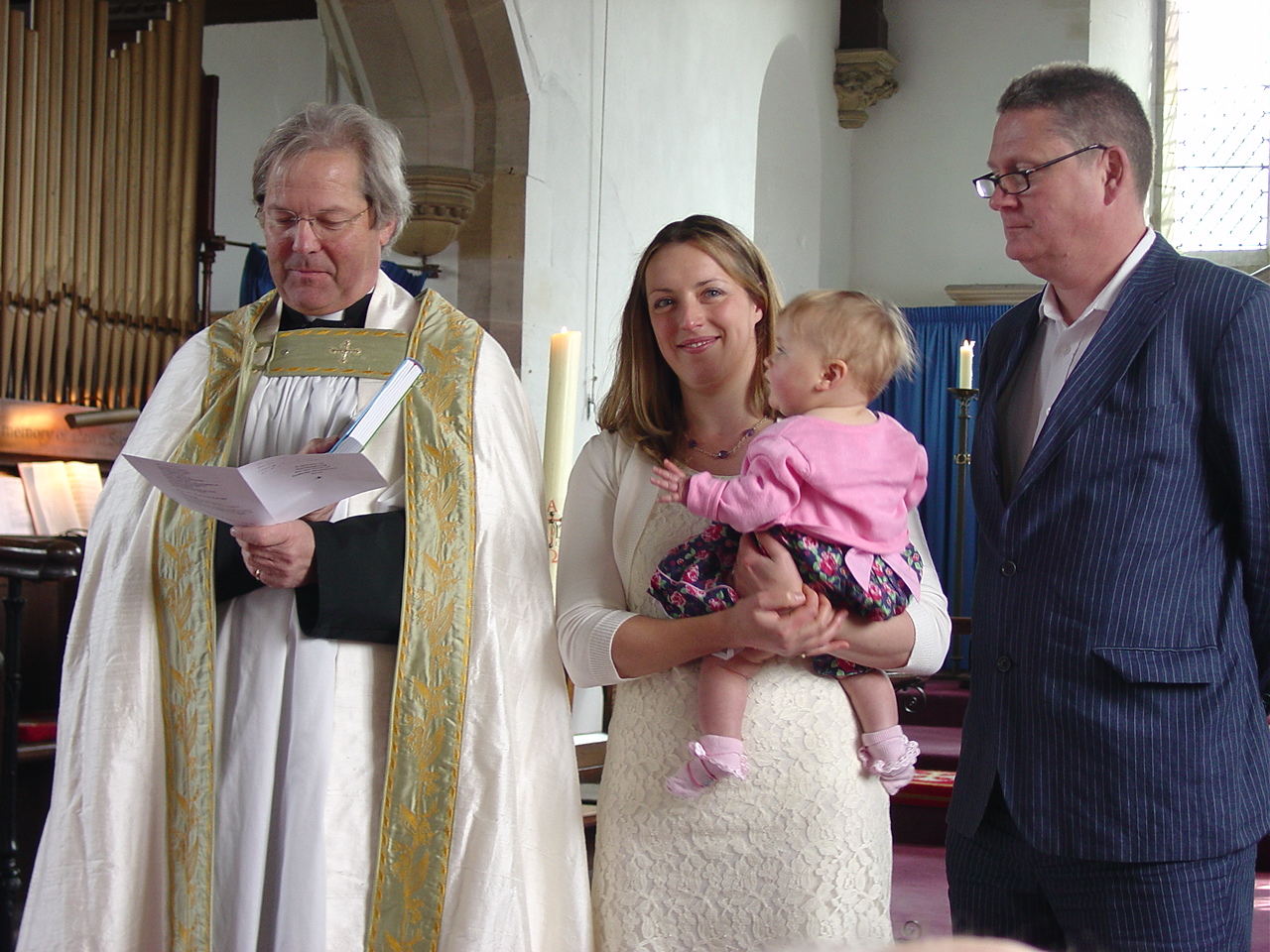
Look at the sky, child.That's Sirius (the Dog),Orion (the Hunter), There's the Plough. That's how, according to our lights,We know.Now reach.Isabelle Madeline Izod's father (pictured above, the one in the suit) gave an ego-less reading of this poem at his daughter's Christening last Saturday. It blew 'me' away also, as I watched from pew 2 on the right. I've never liked the traditional Anglican service about casting the Devil out of the (surely innocent) child - and if not then, when? This service was rewritten in the original spirit of 'suffer the children to come unto me' and said thanks for all things bright and beautiful and Isabelle in particular. Every birth is a miracle: this one especially so, and late in the day for the old man. All of this and much more came through the reading. And Helen - the Mum in the middle - really is as lovely as she looks. That baby's a lucky girl. But she deserves it.

March 14, 2012
Fairport In A Storm

Fairport on ice: 45th Anniversary tour date Cromer Pavilion Theatre, Sunday March 4
Fairport Convention played in an arctic blizzard at the end of Cromer Pier last night. The journey there and back was terrifying, the breakers hitting the beaches were like a set from The Cruel Sea and inside the pier was like an interior from Titanic ! However, if we were going to go down, we would go down singing. Fairport roadies apparently couldn't even drive the gear to the bottom of the hill and had to skate it in by hand along the boards of the pier. But 45 years on from the summer of love this is a band for all seasons and their fans are too Blitz-spirit-British to let it stop them clapping their gloved hands for long. When they did those old elemental ballads about arctic seas, believe me, we were there with them!
The general tone of the show – let’s take the multi-skilled musicmanship and inspired ensemble playing as read, as they do - is light, the wearing lightly of immense skill. It is a warm fusion of folk, rock and fun warming the cockles of the one’s heart – even the ones under that pier’s glacier bridgehead that night. But there are also moments where the elemental roots of the music lift the audience into an epiphany, awesome in the old sense of that word. This is folk Britannia in all its stoical storm-tossed glory, our ‘long island story’ re-rooted by seasoned minstrels turned on by the hippy experience 45 years ago and still making it new. If I missed anything here in this show, it was the darker elements woven in by Richard Thompson and the ghost of Sandy Denny - of course, who wouldn’t miss those – but Fairport have preserved these in another way– and not on ice, despite the temperature inside the theatre. They know they are part of something bigger and include songs these Fairport legends made great during the 45 years. Nicol doesn’t sing like Sandy – Leslie in one harmony vocal actually does – but he pays the Sandy songs due honour and no-one – no-one - sings group vocals better (and more like a concert of strings) than these guys.
Can't wait for Cropredy.
February 24, 2012
Writing For The New Humanity

for the indignatos (especially Emma)
If, instead of cowing and naying a sheepish congregation,
You beef so divinely it makes them feel human;
If you can tongue and bell with golden flesh a word
That tolls heaven back to earth, like the Eden in every bird;
If you can string the bow of learning to the arrow of intuition
And keep a faith that’s unafraid of critical reason
And score your heart in blood and swear it aloud
To a backwards-saddled, blinkered, farting holy-cattle crowd;
If you can shake the hand of the Am-Dram-thank-you-ham
Who lifts your tragic laurels with his prat Fall of Man;
If you’re wise to the one-book-brain of Simple Simon
Yet lost in the heart of a rose, not the tongue of a shaman;
If you can whittle your stake to an instrument that plays
A song beyond itself, not a reed that measures praise;
And forget yourself, and the long quest to get it,
In one divine delicious self-annihilating lyric;
If you can follow Hafiz, not twisting as others have
The mouth of God to a trap of lies, yet be roasted as if you had;
The hart of love will lead you tripping lamb-like to the Psalter
And, what is more, you’ll be a writer, my daughter.
February 15, 2012

February 10, 2012

The One They Seek


I travel with haste. I remain a shadow to everyone in my footsteps.
Yes it was as glamorous as it looks. And 7 hours in that snow was well worth all the attention.
February 07, 2012
Cold Moon

Coldest night of the year? And naturally shooting on location tomorrow. Wot, no caravan? Pass me the thermos, Stan.
This image taken on a temperamental Sony Mavica MC CD500. It still uses discs and because this was taken on a night setting, it took about an hour to get off the camera and onto the PC. I'm the other side of the camera tomorrow being a baddie so none of this sort of thing will bother me. All I've got to do is act hard.
February 01, 2012
Grandfather Christmas

Horse-sensible and risk-foolish,
A gold-domed Grandfather Christmas
Stocking my boyhood with footballs
While fagging yourself to untipped death,
You forged your family chain of shops
Like a rosary of straightness and self-belief
Against the odds, as true to your Book
As your working day was long.
Note: There comes a point in your life when you start to look like your grandfather. Or even your father's grandfather. I remember all these domed patriarchal heads in a permanent blue smoke of family gatherings, sounding off at the world in West country or Welsh accents, Judges and Kings. They grow more like me every day. The caption describes Wellyn, my Welsh grandfather,who was a bookmaker, in this extract from a poem called 'Llewellyn the Great'.
The painting, by Howard Hugh Scott Thomas, notices the bald dome looking out from behind a curtain too, though in a very different context. Howard did my lights up in Edinburgh last summer and watched me sweat blood onstage. He photographed me doing it and he filmed me doing it and finally he painted me doing it. That's him at my shoulder, anxiously overseeing the bard's artistic progress and/or crucifixion. Get those feet dancing, Granddad.
January 25, 2012
Seemab is God

Either peel off the layers of wounds of the heart and throw them out of sight
Or accept the wounds (of separation from the Beloved) as positive indications of love.
from a ghazal by Seemab.
I love these Urdu lyrics that are both gnostically profound and as catchy as an early Seventies chart-stormer. But then, as Keats mused once with a wild surmise, the truth - if it's really true - will be beautiful and the beautiful true. As light as it's heavy. When I was a kid I used to hear this kind of hymn-like truth in every rock song and poem, even some that were actually about Jagger's stash or Paul McCartney's dog or Clapton being God, but I was still right. And yet the above is the real McCartney, the real Keats. St John of the Cross without the two hundred pages of exegesis, with a singing Harrison guitar. All the hurt that's ever been done to you - forget it, don't dwell in the past - or see it as an honest mistake by someone who tried to love you by their own lights but got it wrong. As we all do. If I ever write two lines that beautiful and true, it will all have been worth while. Meanwhile, I might see if I can carve that transliteration into a proper modern English couplet and then spray paint it over every city hall, church, mosque, synagogue, temple and message forum in the country.
January 21, 2012
Return to Cardiff


Photos taken by Donna Calway aged five of Frome. No, hang on, that was a hundred years ago. We're both in our fifties now. The painting is in City Hall, Cardiff, the most magnificent building in Wales and quite possibly Europe or the Universe. Built when Wales was coal-rich and Victorian mighty in a style that sort of combined the French of our diminished Enlightenment rivals with the opulent glory of our Indian Jewel in the Crown. Plus a bit of Gothic in there too just to remind the Germans who was boss. And lots of white and ivory. And washed by a century of soft, refreshing Welsh rain. And inside, free to anyone who wants to pop in, a set of Welsh national treasures including a series of white marble statues of Welsh greats - notably a glorious white marble BUDDUG queen of the Iceni which is Norfolk (!) - no statue there though - and this painting of a reprobate's return which the little sister has expertly framed me into.
December 31, 2011
Moving into Movies

Time to put the new into new year. I am now a screen actor. I have accepted the male lead (a baddie) in a short student-made film set in mediaveal times to be shot in Norwich over the next few weeks. At one's age, one likes to have young people about one!
Success will not change me. I will remain insufferably arrogant, opinionated and vain. You wouldn't want me any other way. If I can make such qualities of use to my fellow artists, makers and - by extension - humanity, then how Canne I say Non? In the film I am pursued across a archetypal East Anglian winter landscape by a woman. She is more nemesis than fury, but all the more a nemesis for that. I can't wait.
The photo shows my massive-award winning young cousin Robb Leech (director of My Brother the Islamist) in Edinburgh with me last summer. He'd just got the award. I'd just finished a punishing Fringe run. The mise en scene (oh we get all the in-terms here) is Igg's Spanish bar on Jeffrey St. I am not at all jealous of my six year old upstart relative, as you can see.
December 21, 2011
Lucy in the sky and John

I've been watching the fairy bulbs grow into the gloom
Of this Cotswold Christmas city street middle afternoon
And it made me think of you.
Poets are finding it hard to get a place, still
(I'm chiding late schoolboys)
And still see beauty's face a dark looking glass through.
It's been a long time since 1631,
Since metaphysics met a physics you never knew,
But what you didn't do remains undonne.
Gloucester 1981
Ha ha, that had you. Not St John Lennon or LSD or even Lucille Ball but John Donne's timeleless winter solstice poem Nocturnal on St Lucie's Day (the shortest day, today) or rather my own take on it 350 years later. Anniversarie For John Donne on St Lucy's Day. I wrote this poem thirty winter solstices ago today. We are all becoming history. We are all slipping into the dark...
Photo note: Not Cotswolds in the 80s but Norfolk now, it that's not an oxymoron in a place that often feels timeless. This is the twin of the summer solstice photo I took in a slightly warmer dusk six months ago (see blog June 21.) A lot of wassail under the bridge since then. More solstice-celebration in Poem of the Month for December in the main site.
December 17, 2011
from Sergeant Spectre's Lonely Hearts Club Bang

Christmas morning 1963. The Spectre children have hardly slept. After hours tossing and turning, pretending they are waiting to catch Dad as Santa but really just aching for it to be Christmas morning, they peer around the door of the small living room, its neatly wallpapered surfaces and soberly plastered ceiling a magical garden of decorations. There is the scent of earth and pine. The presents are piled up under the tree like fairytale treasure. The lights on the tree radiate happiness so intense it hurts.
Note and quiz question: this is from a just-about ready new novel about the Sixties where Christmases during the decade get revisited. The Fab Force was mainly at Christmas No. 1 in the album charts 1963-1969. But their signature album Sergeant Pepper was actually replaced at the top by an LP that competed for the top spot with every Beatle album from Beatles For Sale (which came out in 1964) to The Beatles (White album, which came out in 1968) and which is therefore arguably a rival as period soundtrack. What was it? Let me know via the comment box. I think you'll be surprised. Clue High on the hill...?
December 10, 2011
Under Weigh
 Under weigh - when a ship has drawn its anchors from their moorings, and started on its voyage. (Brewer). I just tweeted this. It's a full moon and a triple eclipse so it seemed like a good idea. I was worried it might be a bit trivial. As everyone is getting their knickers in a twist about X Factor on there (and that's just the men) I think was worrying unnecessarily.
Subscribe to:
Posts (Atom)